
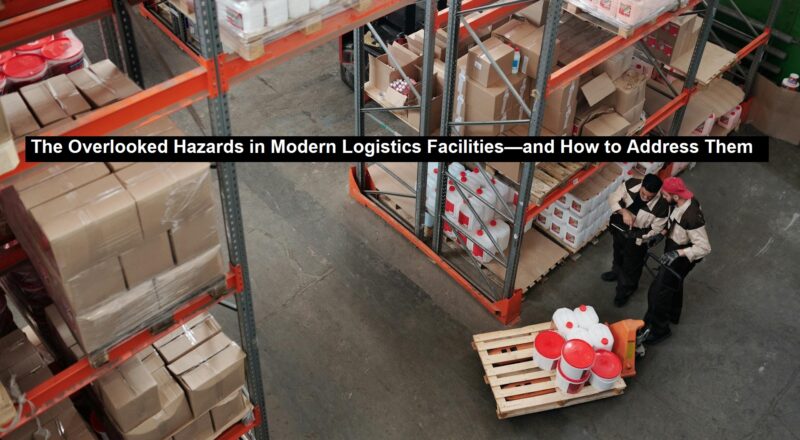
Modern logistics facilities are models of operational sophistication—automated systems, high-density storage, smart inventory management, and rapid fulfilment capabilities. But beneath this efficiency lies a complex web of safety risks that often go unnoticed until they result in injury, disruption, or costly downtime.
From seemingly minor layout inefficiencies to overlooked behavioural patterns, the most dangerous hazards are often the ones hiding in plain sight. That’s why warehouse safety strategies must go beyond checklists and compliance. As highlighted in this comprehensive warehouse safety guide, a proactive approach to identifying and mitigating hidden risks is essential in today’s fast-moving supply chain landscape.
The Quiet Risks That Disrupt Operations
While most organisations focus on obvious threats—heavy equipment, moving vehicles, and manual handling—many of the most disruptive safety issues stem from smaller, systemic oversights. These include:
- Improper lighting that creates shadows in critical zones or causes eye strain
- Narrow walkways that force pedestrians and forklifts to share space unsafely
- Storage layout errors that increase pick times and fatigue, especially for high-volume SKUs
- Subtle ergonomic issues in repetitive tasks, leading to strain injuries over time
- Outdated signage or poorly communicated rule changes that confuse staff
Individually, these issues may seem insignificant. But when combined, they create a high-risk environment that increases the likelihood of incidents and slows down operations.
Why Traditional Audits Fall Short
Standard safety audits often focus on regulatory compliance or specific incident histories. They’re important—but they miss what’s happening in real time. Safety inspections conducted once per quarter can’t account for dynamic changes in workforce behaviour, equipment usage, or layout efficiency.
In a logistics environment that evolves daily—sometimes hourly—risks need to be assessed continuously. Static processes simply can’t keep up.
Uncovering Behavioural Blind Spots
One of the most overlooked hazards in logistics is unsafe behaviour that becomes normalised over time. For example:
- Employees bypassing PPE protocols to save time
- Shortcuts taken around pallet handling or equipment locking
- Team members ignoring marked pedestrian lanes in favour of faster routes
- Workers rushing through breaks or skipping stretches to meet quotas
These behaviours aren’t typically malicious—they’re the result of pressure, fatigue, or cultural drift. But they can significantly increase the risk of injury, especially when left unchecked.
The challenge is that these habits often go unnoticed by managers, especially in large facilities. Without tools to monitor behaviour patterns across shifts, it’s difficult to see where small risks are becoming standard practice.
Using Data and AI to Identify Hidden Hazards
Today’s most advanced logistics companies are turning to data—and specifically, AI-powered video analytics—to reveal risks that would otherwise go undetected. By analysing footage from existing CCTV infrastructure, AI platforms can detect:
- Unsafe pedestrian-vehicle interactions
- Incorrect lifting posture or repetitive strain behaviours
- Access violations in restricted zones
- Blocked fire exits, emergency lanes, or spill hazards
- Micro-behaviours that correlate with high-risk environments
These systems don’t replace safety officers—they amplify their capabilities. With continuous monitoring and automated alerts, teams can act quickly before minor hazards become major incidents.
Read: AI Phone Call for Multilingual Support & Smart Call Summaries
Facility Design and Hazard Prevention
Another major source of hidden risk lies in outdated or poorly adapted facility design. As operations scale, original layouts often become suboptimal, introducing:
- New traffic flow conflicts
- Insufficient racking clearances
- High noise levels in picking areas
- Temperature or ventilation imbalances in seasonal storage zones
Regular re-evaluation of space usage, aisle width, lighting, and ergonomics is essential. AI-powered safety audits can provide data to support these redesigns, highlighting bottlenecks or recurring violations that point to underlying layout issues.
Reinforcing Risk Awareness at the Human Level
While technology is key to uncovering hidden risks, cultivating a human-centred safety mindset remains essential. Employees should feel encouraged—not punished—for speaking up about overlooked issues or unsafe routines.
Conducting routine “micro-trainings” on real-world scenarios captured by AI systems can help staff understand how small behaviours translate into larger risks. It also builds a culture of shared vigilance—where safety isn’t seen as a rulebook, but a daily practice.
Involving employees in solution design (e.g., changing signage, repositioning break areas) can further drive ownership and compliance.
Addressing the Hidden Cost of Inaction
The most expensive risks in warehousing aren’t always the biggest or most visible—they’re the slow-building inefficiencies and liabilities that go uncorrected. From rising insurance premiums to worker compensation claims and increased turnover, hidden hazards take a cumulative toll.
By surfacing and addressing these issues early, supply chain leaders can protect their teams, reduce costs, and maintain operational agility—even in peak periods.
Making the Invisible Visible
As the pace of logistics intensifies, the margin for error continues to shrink. Identifying and correcting hidden hazards isn’t optional—it’s a strategic necessity. Modern safety programs that combine AI-driven insights with people-first policies can dramatically reduce risk while supporting efficiency and morale.
Resources like this comprehensive warehouse safety guide offer valuable frameworks for building these programs—from recognising latent risks to embedding smarter, more responsive safety systems across your network.
Ensuring Consistency Across Shifts and Locations
Another overlooked source of hazard in large logistics operations is inconsistency. What one shift leader enforces rigorously, another may overlook. At multi-site organisations, safety procedures can vary drastically from one facility to the next—even when job functions are nearly identical.
This inconsistency introduces confusion, undermines trust, and allows risks to flourish. AI-enabled safety monitoring tools help address this by providing:
- Unified visibility into safety metrics across all shifts and locations
- Automated reporting that flags deviations in policy enforcement
- Objective benchmarks for training effectiveness
Consistency not only improves compliance—it supports a stronger safety culture where expectations are clear, fair, and universally applied.
From Hidden Threats to Lasting Improvements
Every logistics facility has hazards. But it’s how those hazards are managed—especially the ones hiding in plain sight—that determines long-term performance. From layout inefficiencies to overlooked behaviours, the real risk lies in underestimating the impact of “small” issues.
Modern safety systems powered by AI, data analytics, and human collaboration offer a new path forward. By embracing proactive risk identification, warehouse leaders can create environments that are safer, more productive, and more resilient in the face of change