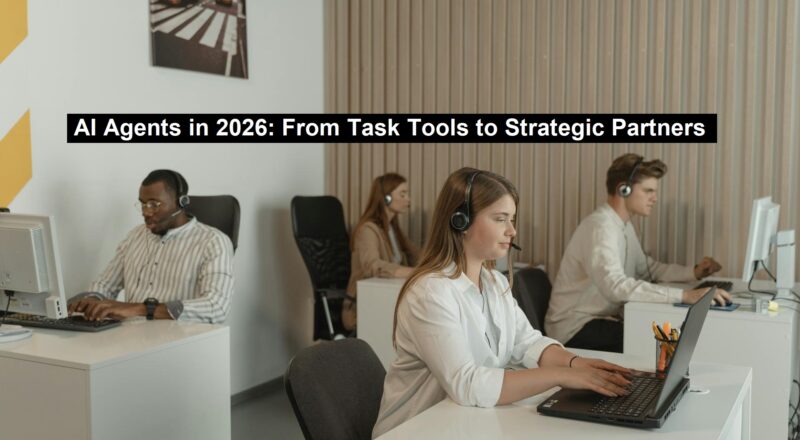
AI agents are changing how work gets done across industries. The shift is moving beyond simple automation into systems that support planning, decision-making, and execution. These agents have moved beyond performing basic tasks to participating in full workflows, helping teams manage complex processes with greater speed and clarity.
From Task Execution to Strategic Oversight
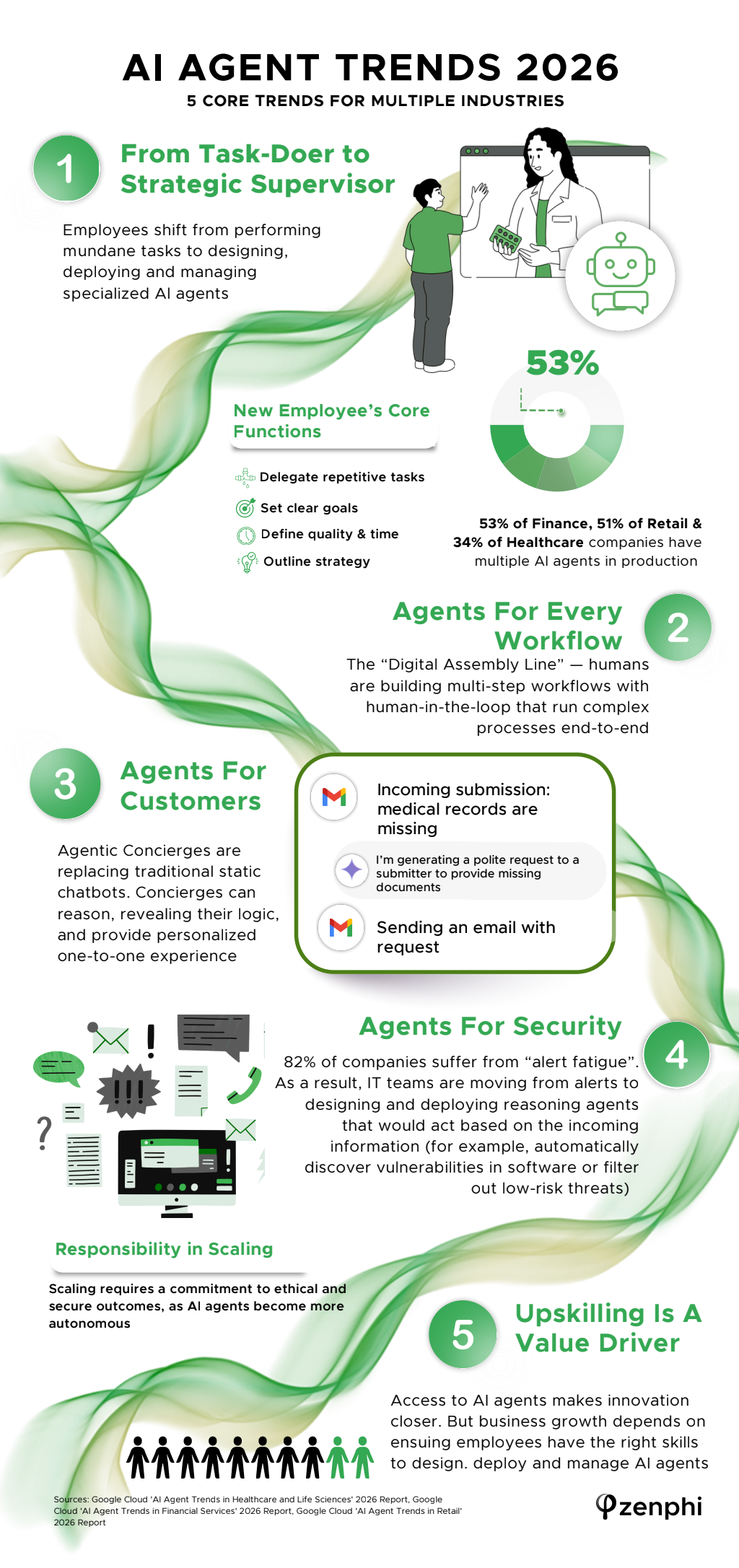
AI agents are moving from simple task execution to more strategic roles. Employees are no longer focused only on completing repetitive work. Instead, they are designing and managing systems that handle those tasks.
This shift changes core job functions. Workers set goals, define quality standards, and oversee outcomes. Routine work is delegated to agents, which allows teams to focus on planning and problem-solving. This creates a more efficient use of time and effort.
Agents Embedded Across Workflows
AI agents are integrated within entire workflows instead of remaining delegated to isolated tasks. They support multi-step processes from start to finish, often working together in sequence. This structure allows tasks to move smoothly from one stage to the next.
Human oversight remains important. Teams guide the process, review outputs, and step in when needed. This balance helps maintain accuracy while still gaining the benefits of AI workflow automation. Organizations are building systems where agents handle tasks like data processing, communication, and follow-ups. This approach improves speed and reduces delays in complex operations.
Smarter Customer Interactions
Customer-facing AI agents are becoming more advanced and responsive. Older systems relied on scripted responses, which often led to limited or unclear answers. Newer agents can assess situations and respond with more context.
These systems can identify missing details in a request and generate a clear follow-up. They adjust tone and content based on the situation. This leads to more natural interactions. Personalized responses also improve user experience. Customers receive answers that feel more relevant and direct, which can improve satisfaction and reduce frustration.
Read: How AI is Changing Web Design
Security and Real-Time Decision Making
Security teams are dealing with large volumes of data and alerts. This can make it difficult to focus on the most important issues. AI agents help by filtering information and highlighting real risks. These systems can detect unusual activity, flag potential threats, and reduce unnecessary alerts. This allows teams to act more quickly and with greater focus.
AI agents also support decision-making by analyzing incoming data in real time. This improves response times and helps reduce errors in high-pressure situations.
Upskilling as a Core Requirement
As AI agents become more common, employee skills must evolve. Access to these tools alone does not lead to better results. Teams need the ability to design, manage, and evaluate how agents are used.
Training becomes a key part of this shift. Employees must learn how to set clear goals, monitor performance, and adjust workflows. This creates roles that combine technical knowledge with strategic thinking. Organizations also need to focus on responsible use. As agents take on more tasks, attention to security and ethical standards becomes more important.
AI agents in 2026 are becoming central to how work is structured. They support complex workflows, improve customer interactions, and assist with real-time decisions. This shift is changing both technology and the role of the workforce. Organizations that adapt to these changes are better positioned to manage growth and maintain efficiency. For more information, look over the accompanying infographic below: