
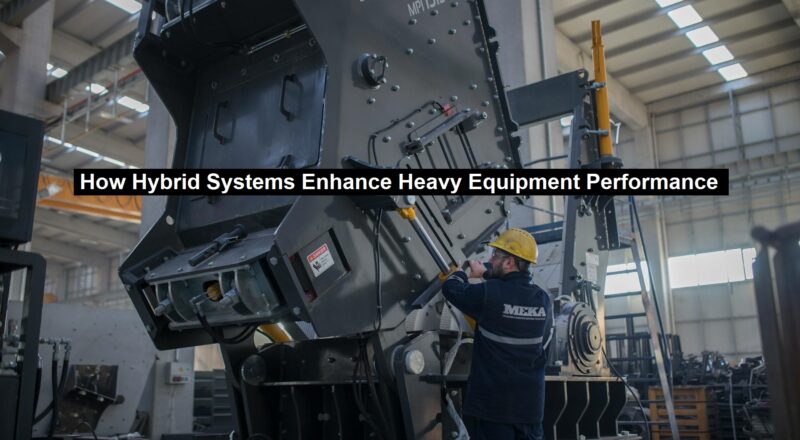
Hybrid power systems in heavy equipment combine traditional internal-combustion engines with electric components to manage power more efficiently across varying workloads. Instead of relying solely on the engine, these systems distribute demand between mechanical and electric sources, allowing machines to respond more quickly while improving overall efficiency.
In practice, this means the engine can operate within a more consistent and efficient range, while electric motors handle peak loads, rapid changes, and stop-start activity. This approach is especially effective in applications that involve repeated motion cycles, such as lifting, digging, or frequent acceleration and deceleration. The result is improved responsiveness, reduced fuel consumption, and lower emissions under real working conditions.
Read: AI Agents in 2026: From Task Tools to Strategic Partners
Where Hybrid Systems Deliver the Most Value
Hybrid systems perform best in environments where energy can be recovered and reused. Equipment that experiences frequent braking, cyclical movements, or intermittent high loads can capture energy that would otherwise be lost and redirect it back into the system. This makes hybrids particularly effective in applications with repetitive duty cycles.
In contrast, operations that involve sustained, steady loads with minimal variation may see fewer benefits. When there are fewer opportunities for energy recovery, the electric system has less impact on overall efficiency.
Operational factors also play a role in performance. Calibration, operator behavior, and maintenance practices all influence how effectively a hybrid system performs. Keeping electrical connections secure, cooling systems clean, and diagnostics up to date helps maintain consistent output and reliability over time.
Engineering Considerations Behind Hybrid Performance
The effectiveness of hybrid systems depends heavily on integration. Coordinating engine output, electric motor assistance, hydraulic demand, and energy storage requires precise control systems that can respond in real time. These systems must balance performance with efficiency while adapting to changing operating conditions.
Thermal management is another critical factor. Electric components and power electronics generate concentrated heat, requiring well-designed cooling systems that can perform reliably in demanding environments. Proper airflow, durable materials, and strategic component placement all contribute to long-term system stability.
Structural components also play a key role. Many hybrid powertrain elements rely on cast metal parts for strength and durability. These casting components must maintain alignment under load while supporting complex geometries that aid in packaging and heat dissipation. Consistent material quality and precise machining are essential to ensure reliable performance in rugged conditions.
Hybrid systems continue to gain traction because they offer a practical balance. They improve efficiency and performance without requiring major changes to how equipment is used in the field, making them a strong option for operations looking to optimize performance while managing fuel and emissions. For a deeper look at how hybrid systems work in heavy equipment, explore the companion resource.